If you want to make smarter bets, you must understand betting odds. They tell you how likely an outcome is and how much money you can win. When you read odds correctly, you can compare options, judge risk, and avoid betting blindly. This guide breaks down odds in simple terms that beginners can follow.

Why Betting Odds Matter
Betting odds do more than show your potential payout. They reflect the bookmaker’s estimate of the event’s probability. When you understand how odds work, you can spot value, avoid bad bets, and make decisions based on facts instead of guesswork.
Key Reasons Odds Matter
-
They show implied probability.
-
They help you measure risk and reward.
-
They help you compare different markets.
-
They reveal when a bet is worth taking.
Learning how odds work gives you a strong advantage over casual players.
Types of Betting Odds
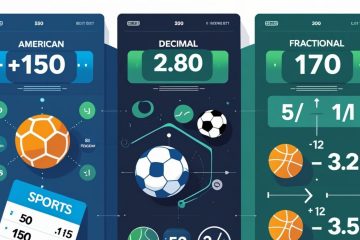
Betting odds come in three common formats. Even though they look different, they all express the same thing: likelihood and payout.
Decimal Odds
Decimal odds are simple and popular worldwide. They tell you the total payout you’ll get, including your stake.
-
Example: Odds of 2.0
-
A $10 bet returns $20
-
Your profit is $10
Decimal odds make it easy to calculate winnings quickly and clearly.
Fractional Odds
Fractional odds are common in the UK. They show profit relative to your stake.
-
Example: 5/1
-
A $10 bet returns $50 profit plus your $10 stake
-
Total payout is $60
If the first number is much bigger, the outcome is less likely but more profitable.
Moneyline Odds
Moneyline odds are widely used in the US. They use positive and negative numbers.
-
Positive odds (+150): Show profit from a $100 bet
-
Negative odds (-200): Show how much you need to bet to win $100
Positive odds represent underdogs, while negative odds represent favorites.
How to Convert Odds to Probability
To make smarter bets, convert odds into implied probability. This helps you judge whether the odds match what you believe will happen.
Decimal Odds Probability
Probability = 1 ÷ Decimal Odds
-
Example: 2.5 odds
-
1 ÷ 2.5 = 0.40
-
Implied probability is 40%
Fractional Odds Probability
Probability = Denominator ÷ (Numerator + Denominator)
-
Example: 4/1
-
1 ÷ (4 + 1) = 20%
Moneyline Odds Probability
-
Positive odds:
Probability = 100 ÷ (Odds + 100) -
Negative odds:
Probability = Odds ÷ (Odds + 100)
Understanding implied probability helps you determine if the odds offer good value.
What “Value” Means in Betting
A great bet isn’t the one with the highest payout. It’s the one where the probability you believe is higher than the probability implied by the odds.
Example of Value
-
Bookmaker odds imply a 40% chance
-
You believe the real chance is 55%
-
That’s value
Chasing value takes practice, but it’s the secret behind long-term betting success.
How Odds Change Over Time
Odds move for many reasons. Bookmakers adjust them to balance wagers and protect themselves. These changes indicate market activity and expert predictions.
Why Odds Shift
-
New information, such as injuries
-
Large bets placed by sharp bettors
-
Shifts in public opinion
-
Weather updates in sports events
Following odds movement helps you spot trends and opportunities.
Common Mistakes When Reading Odds
Many beginners make errors that lead to unnecessary losses. Avoiding these mistakes can improve your results immediately.
Frequent Mistakes
-
Only backing favorites without checking value.
-
Misreading odds formats and calculating payouts incorrectly.
-
Ignoring implied probability lleadsto risky bets.
-
Betting emotionally, especially on favorite teams.
-
Not comparing odds across different platforms.
Small improvements in reading odds can dramatically boost your betting performance.
Tips for Using Betting Odds Smarter
Here are some quick ways to use odds to your advantage:
-
Start with decimal odds if you’re a beginner.
-
Convert odds to probability before betting.
-
Compare odds across multiple markets.
-
Watch for sudden changes in numbers.
-
Keep track of wins, losses, and odds history.
-
Bet only when odds offer value.
Smart bettors rely on numbers, not luck.
Conclusion
Understanding betting odds gives you a major advantage. Once you learn how odds reflect probability, payout, and risk, you can make more informed decisions. You won’t chase random bets. You won’t rely on instinct alone. Instead, you’ll use numbers, strategy, and logic.
With practice, you’ll spot value, compare markets better, and improve your long-term results. Betting becomes clearer and more predictable when you know how to interpret the odds like a pro.