Understanding how odds reflect probabilities is essential for anyone interested in sports, e-sports, or financial betting. The keyword “odds reflect probabilities” is central because it explains the connection between the numbers offered by bookmakers and the likelihood of outcomes. Odds are more than just a payout multiplier; they provide insight into the perceived chance of a team or player winning. By interpreting odds correctly, bettors can make informed decisions and identify value in wagers. This knowledge helps users balance risk and reward while improving betting strategies. Overall, knowing how odds relate to probability is a fundamental skill for responsible and strategic betting.
What Are Betting Odds?
Betting odds are numerical expressions of the likelihood that a particular event will occur. Bookmakers set odds to represent both the probability of an outcome and the amount they will pay if that outcome occurs. Lower odds indicate a higher chance of winning but a smaller payout, while higher odds suggest a lower probability and a larger potential reward. Odds can be expressed in different formats, including decimal, fractional, or moneyline, but they all convey the same essential information. Understanding the type of odds used is crucial for calculating implied probability accurately. Bettors who grasp this concept can compare odds across platforms and identify advantageous opportunities.
Converting Odds into Probabilities
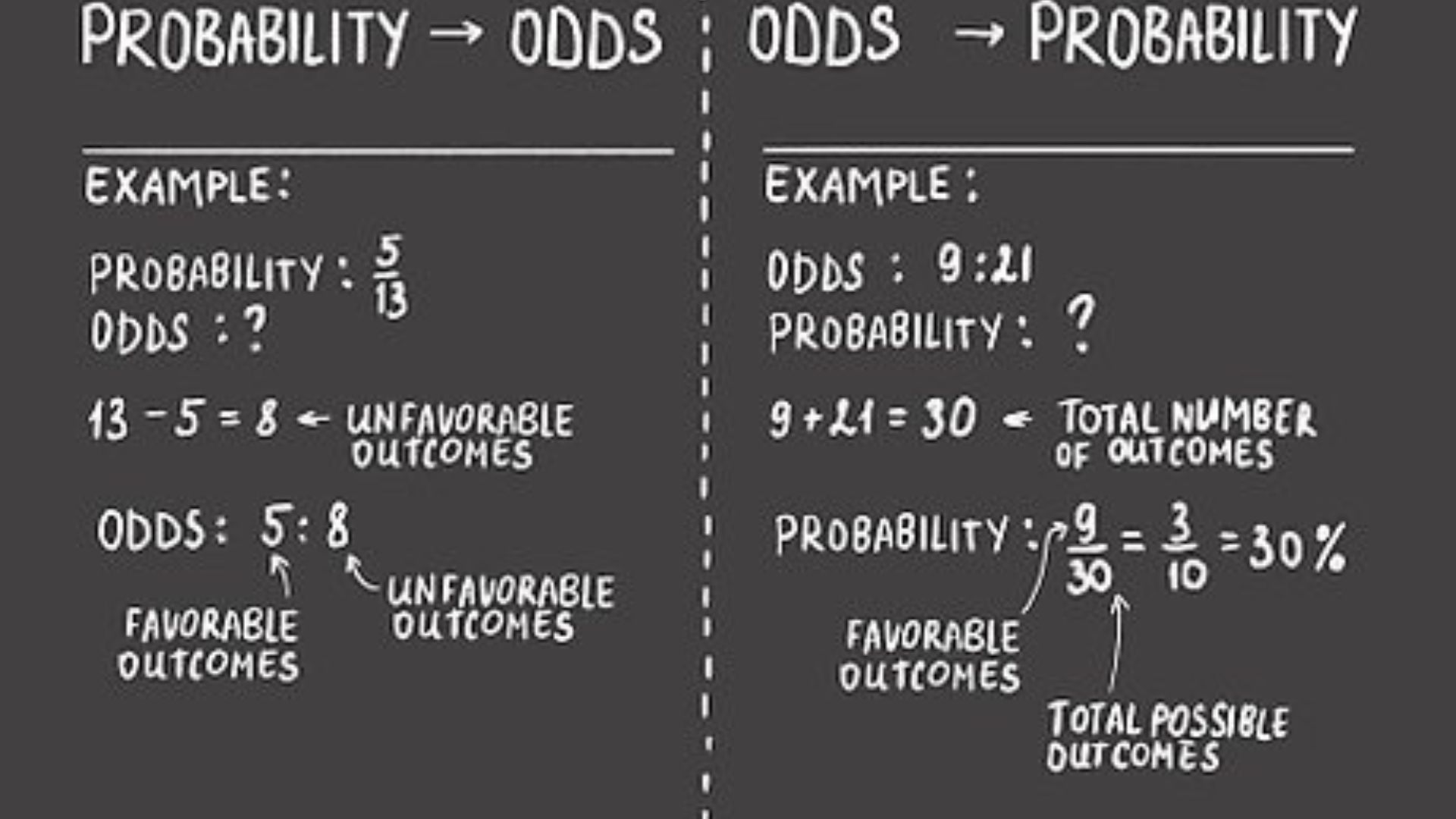
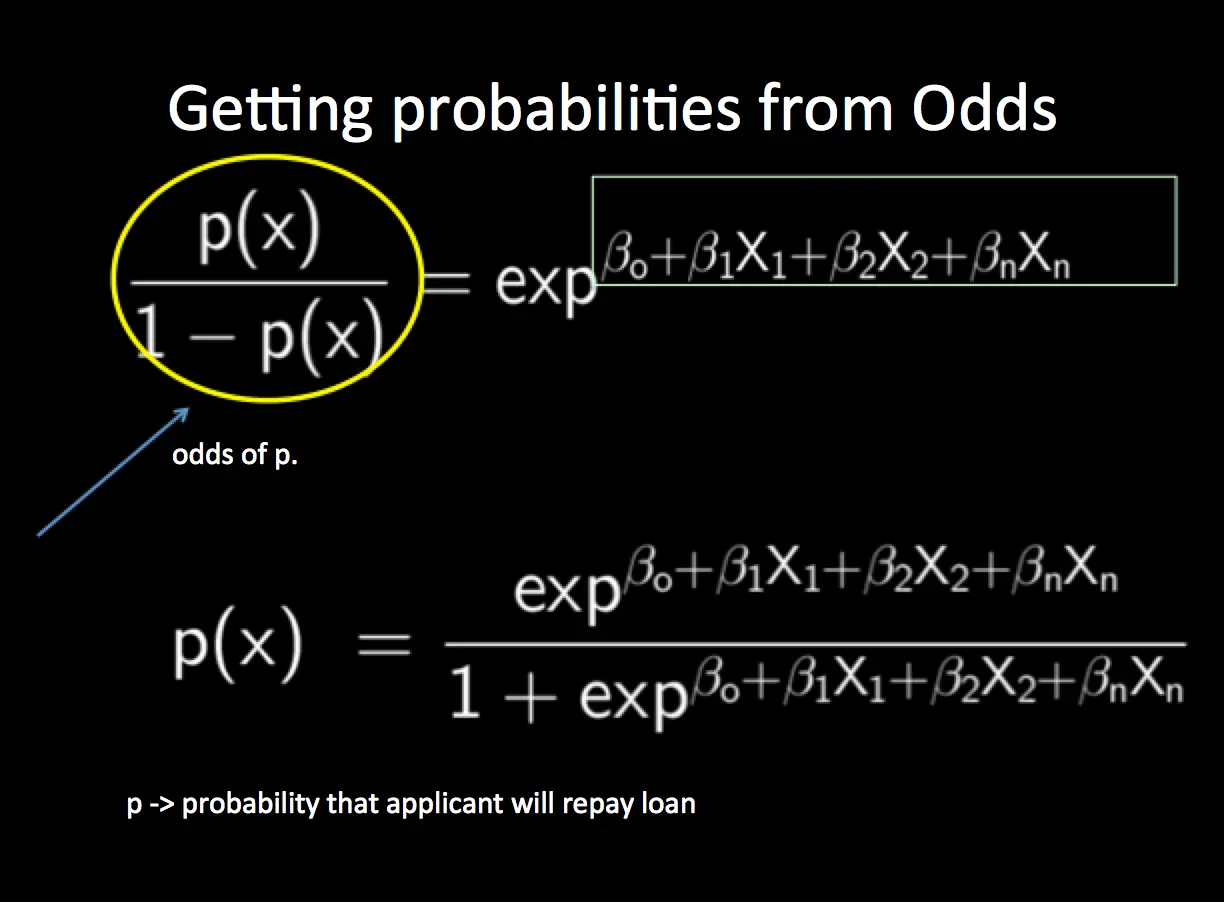
To see how odds reflect probabilities, it is useful to convert them into percentages. For decimal odds, the formula is simple: divide 1 by the decimal odds and multiply by 100. For example, odds of 2.50 imply a probability of 1 ÷ 2.50 × 100 = 40%. This percentage represents the bookmaker’s estimated chance of the outcome occurring. Understanding this conversion allows bettors to compare their own assessment of an event’s likelihood with the odds offered. When the implied probability is lower than a bettor’s own estimate, it may indicate a value bet worth considering.
Implied Probability and Value Bets
The concept of implied probability helps explain why odds reflect probabilities in practical betting terms. Implied probability is the bookmaker’s way of expressing the likelihood of each outcome in a match or event. When a bettor believes an outcome has a higher probability than the implied probability suggested by the odds, a value bet exists. For example, if a team has a 60% chance of winning based on analysis, but the odds imply only a 50% chance, the bettor may have a profitable opportunity. Understanding implied probability allows bettors to make more strategic decisions rather than relying solely on luck. This concept is key to long-term success in wagering.
How Bookmakers Adjust Odds
Bookmakers adjust odds not only based on probability but also to manage risk and balance the book. Public betting patterns, recent performance, injuries, and market demand all influence the odds set. These adjustments demonstrate how odds reflect probabilities in a dynamic way rather than as fixed predictions. For instance, heavy betting on a favorite may reduce their payout odds, even if the underlying probability has not changed. Bettors who understand these adjustments can exploit discrepancies between true probability and the odds offered. By observing how odds shift over time, users gain insight into market sentiment and potential opportunities.
Practical Use of Probability in Betting
Knowing how odds reflect probabilities helps bettors plan their strategies and manage risk effectively. Converting odds into probabilities allows for objective comparison across multiple events or bookmakers. It also aids in determining stake size and potential return relative to perceived risk. Additionally, understanding probabilities encourages disciplined, research-driven betting rather than impulsive wagers. Bettors who master this skill can identify situations where the market undervalues certain outcomes. Ultimately, applying probability knowledge increases the chances of consistent success and responsible wagering.
Conclusion
In conclusion, understanding how odds reflect probabilities is fundamental to strategic betting. Odds indicate both the likelihood of an outcome and the potential payout, providing valuable information for decision-making. By converting odds into implied probabilities, bettors can identify value bets and compare their own assessments with bookmaker predictions. Recognizing how odds are adjusted based on market behavior further enhances strategic insights. Using probability as a tool encourages smarter, disciplined betting and reduces reliance on chance. Mastering this concept ensures that users approach betting with confidence, strategy, and an informed perspective.