
Changes in odds before a match are a key aspect of sports and e-sports betting that every bettor should understand. The keyword “changes in odds before a match” highlights how bookmakers adjust their odds in response to new information and betting trends. These adjustments can reflect team form, injuries, public betting patterns, or even market demand. Understanding why and how odds shift helps bettors identify value bets and make informed decisions. By following these fluctuations, users can anticipate potential opportunities or risks. Recognizing patterns in odds changes is essential for strategic and responsible betting.
Why Odds Change Before a Match
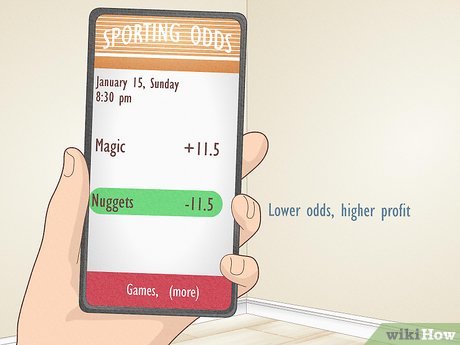
Odds are not static; they change constantly as bookmakers respond to a variety of factors. Team performance, player injuries, and lineup announcements are some of the primary reasons odds shift. Public betting behavior also influences odds, as bookmakers balance the book to minimize risk. External factors, such as weather conditions or venue changes, can further affect perceived probabilities. Each adjustment reflects the bookmaker’s assessment of the likelihood of each outcome. Understanding these dynamics allows bettors to interpret odds more accurately and anticipate potential value opportunities.
How Injuries and Team News Affect Odds
Injuries or changes in team lineups are among the most common reasons for changes in odds before a match. If a key player is ruled out, bookmakers often adjust the odds to reflect the reduced chances of that team winning. Similarly, unexpected substitutions or tactical changes can shift the balance of power in a matchup. Bettors who monitor official announcements can take advantage of early odds movements before the market fully reacts. Keeping track of injury reports and team news ensures more informed betting decisions. This practice highlights the importance of research in strategic betting.
The Impact of Public Betting Trends
Public betting trends significantly influence changes in odds before a match. When a large number of bets are placed on one outcome, bookmakers may adjust odds to balance their exposure and minimize potential losses. This is often referred to as “market-driven” adjustments. Sometimes, these changes create value opportunities on the less popular side, known as betting against the public. Understanding how public sentiment affects odds can help bettors exploit favorable situations. Following market trends requires attention to betting volume and bookmaker updates.
Timing Your Bets Around Odds Movements
Knowing when to place a bet relative to changes in odds before a match is a key strategy for many bettors. Early odds may offer better value if you anticipate a shift due to injuries, team news, or public betting patterns. Conversely, waiting for odds to stabilize can reduce uncertainty but might result in lower potential payouts. Monitoring the timing and direction of odds changes helps bettors make informed decisions about stakes and risk. Timing bets effectively requires both research and observation of market behavior. Mastering this skill can enhance both profitability and confidence in wagering.
Common Mistakes to Avoid
Many bettors overlook the significance of changes in odds before a match, which can lead to poor decisions. Placing bets without checking recent odds movements may result in missing favorable opportunities or overpaying on perceived favorites. Overreacting to small fluctuations or rumors can also be detrimental. Another common mistake is ignoring public betting influence, which can distort true value. Successful bettors combine research, timing, and market awareness to avoid these pitfalls. Understanding common errors ensures that betting remains strategic and controlled rather than impulsive.
Conclusion
In conclusion, changes in odds before a match provide valuable information for strategic and informed betting. These changes reflect team news, public sentiment, and other influencing factors that affect perceived probabilities. Bettors who monitor odds movements, analyze trends, and understand the underlying reasons can identify value and maximize returns. Timing bets effectively and avoiding common mistakes enhances both profitability and long-term success. By mastering the interpretation of odds shifts, users approach betting with strategy, research, and confidence. Understanding and leveraging these dynamics is a key step toward becoming a more informed and successful bettor.