Betting odds do more than show which team or player is expected to win. They shape your payouts, influence your risk level, and guide the value of each wager. When you understand how betting odds influence your winnings, you can place smarter bets and avoid losing money on low-value options.
This guide explains how odds work, how they affect your returns, and how to use them to make better betting decisions.
What Betting Odds Really Represent
Betting odds show two things at the same time:
-
The likelihood of an outcome
-
The size of your possible payout
When the odds are high, the chance of the event happening is lower but the payout is bigger. When odds are low, the event is more likely but your winnings are smaller. This balance between risk and reward is what makes betting strategy so important.
Why Odds Matter
Odds allow you to:
-
Estimate how much you can win
-
Judge the bookmaker’s predicted outcome
-
Compare different bets in the same match
-
Avoid wagers with poor value
Once you learn how odds influence your potential profit, you can pick bets that fit your bankroll and goals.
Types of Betting Odds and How They Affect Payouts
Different countries use different odds formats, but they all influence your winnings in their own way.
Decimal Odds
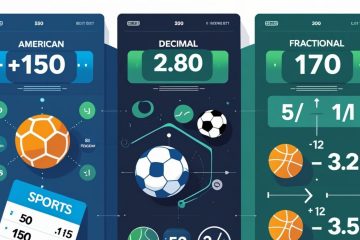
Decimal odds are the easiest to understand. They show the total return for every $1 you bet.
Example:
Decimal odds of 2.00 mean a $10 bet returns $20.
-
Profit: $10
-
Total payout: $20
Higher decimals mean higher returns but lower chances of winning.
Fractional Odds
These are common in the UK and Ireland. Fractional odds reflect your profit in relation to your stake.
Example:
Odds of 5/1 mean you win $5 for every $1 you bet.
-
Profit on $10 stake: $50
-
Total payout: $60
Fractional odds make it easy to see how much you get back before adding your stake.
Moneyline Odds
Moneyline odds are used in the USA. They come in positive and negative formats.
-
Positive odds (+150): You win $150 profit for every $100.
-
Negative odds (–200): You must bet $200 to win $100 profit.
Positive odds give larger payouts but indicate lower probability. Negative odds offer smaller payouts because the outcome is expected to happen.
How Odds Shape Your Winnings
Your winnings depend entirely on the odds you choose. Even the same match can have different payouts depending on the bet type and the bookmaker’s odds.
Higher Odds = Higher Winnings
If you pick higher odds, you can earn more money from a smaller stake. However, these outcomes are less likely to occur.
Lower Odds = Lower Winnings
Low odds mean the bookmaker expects the outcome to happen. You win less money, but the bet is usually safer.
Moderate Odds = Balanced Return
Some bettors look for odds between 1.80 and 2.50 because they give a reasonable chance of winning while still offering decent payouts.
Calculating Your Winnings
Once you understand how to calculate returns, you can instantly judge if a bet is worth placing.
With Decimal Odds
Winnings = Stake × Odds
Example:
-
Stake: $20
-
Odds: 3.00
-
Total payout: $60
-
Profit: $40
With Fractional Odds
Profit = Stake × (Numerator ÷ Denominator)
Example:
-
Stake: $20
-
Odds: 4/1
-
Profit: $80
-
Total payout: $100
With Moneyline Odds
Positive odds:
Profit = Stake × (Odds ÷ 100)
Negative odds:
Profit = Stake × (100 ÷ Odds)
These formulas help you check if a bet offers value compared to the risk.
How Implied Probability Impacts Winnings
Implied probability tells you what the odds say about the chance of winning.
Converting Decimal Odds to Probability
Probability = 1 ÷ Odds
Example:
Odds of 2.50 → 1 ÷ 2.50 = 0.40 (40% chance)
If your own prediction differs from implied probability, you can find value bets that may increase long-term winnings.
Tips for Using Odds to Improve Your Returns
Use these simple tips to make smarter betting choices:
-
Compare odds before you place a wager
-
Look for value, not just the favourite
-
Avoid betting purely based on emotion
-
Pick odds that match your bankroll size
-
Start with simple bets until you understand payout patterns
-
Track your results to see which odds ranges work best for you
Common Mistakes to Avoid
Many new bettors misunderstand odds and lose money because of it. Avoid these traps:
-
Choosing low odds thinking they always win
-
Ignoring implied probability
-
Overbetting on long-shot odds
-
Mixing up odds formats
-
Betting without calculating payouts first
A clear understanding of odds helps you stay away from risky bets that look attractive but offer poor value.
Conclusion
Betting odds influence your winnings more than anything else in sports betting. They show the risk, shape your payout, and reveal the bookmaker’s expectations. When you know how to read odds and understand their impact, you can make smarter choices and protect your bankroll.
The next time you place a bet, check the odds, calculate your payout, and think about the probability behind the numbers. This simple habit will help you become a more confident and more successful bettor.