Learning how to read betting odds is one of the most important skills for any bettor. Odds show the potential payout and the likelihood of an event happening. When you understand them clearly, you make smarter choices and avoid unnecessary risks. This guide will walk you through the different types of odds, how to calculate payouts, and how to use this knowledge to bet with confidence.
What Betting Odds Really Mean
Betting odds are more than just numbers. They express two things:
-
How much money can you win?
-
How likely the event is to happen.
Because of this, odds help you judge risk before placing any bet. Once you understand how they work, the entire betting experience becomes easier and more strategic.

Main Types of Betting Odds
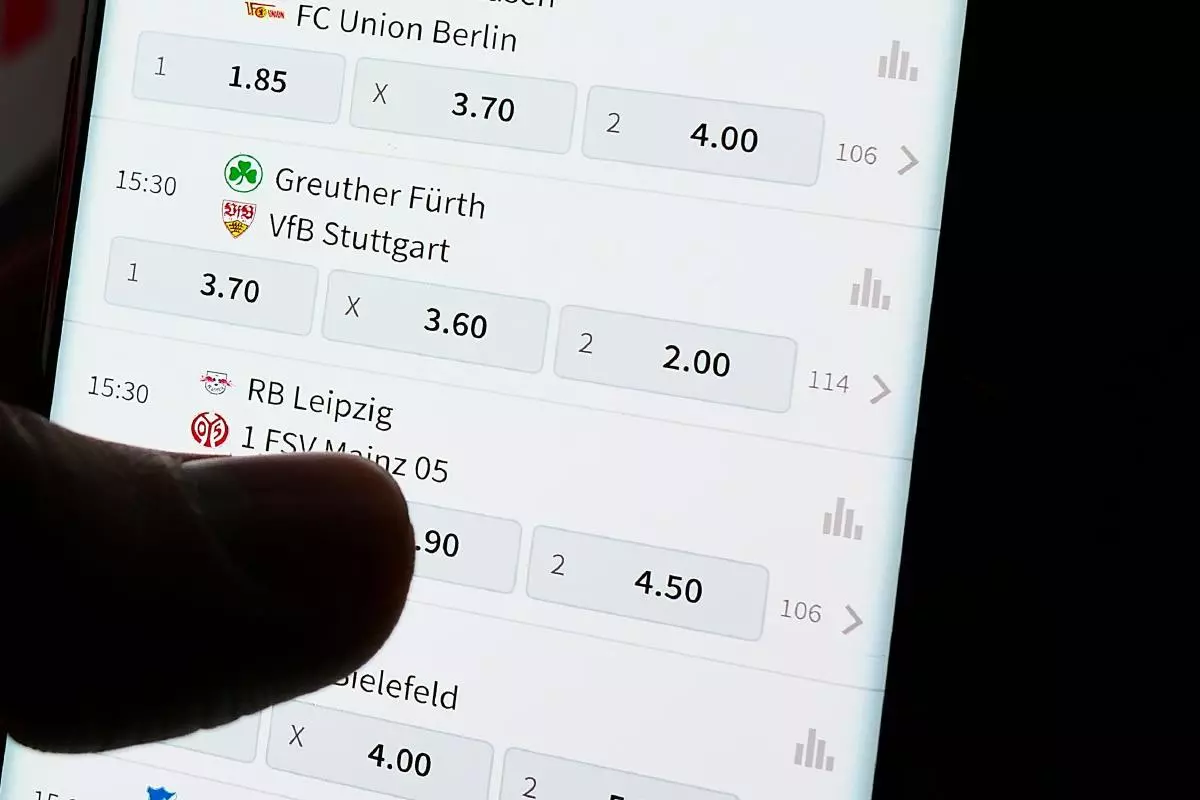
There are three popular odds formats. Each type looks different, but they all show the same information.
Decimal Odds
These odds are common in Europe, Australia, Canada, and online sportsbooks. They are the easiest for beginners because they show the total payout, including your stake.
Example:
-
Decimal odds: 2.00
-
Bet amount: $10
-
Total return: $10 × 2.00 = $20
Your profit would be $10, and the other $10 is your stake returned.
Fractional Odds
Fractional odds are often seen in the UK and Ireland. They show your potential profit in relation to your bet size.
Example:
-
Fractional odds: 5/1
-
Bet amount: $10
-
Profit: $50
-
Total return: $60
If the number on the left is larger, the profit is bigger. If the number on the right is larger, the outcome is more likely to happen.
American (Moneyline) Odds
These odds are used widely in the United States. They appear as either positive or negative numbers.
-
Positive odds (+150): Show how much profit you earn on a $100 bet.
-
Negative odds (−150): Show how much you must bet to win $100.
Example:
-
+200 means a $100 bet wins $200 profit.
-
–200 means you must bet $200 to win $100 profit.
Once you get used to them, moneyline odds become very clear and helpful.
How to Calculate Implied Probability
Reading odds like a pro also means understanding implied probability. This tells you how likely the event is based on the odds.
Calculating Probability from Decimal Odds
Probability = 1 ÷ Decimal Odds
Example:
-
Odds: 1.50
-
Probability: 1 ÷ 1.50 ≈ 66%
Calculating Probability from Fractional Odds
Probability = Denominator ÷ (Numerator + Denominator)
Example:
-
Odds: 2/1
-
Probability = 1 ÷ (2 + 1) = 33%
Calculating Probability from American Odds
-
Positive odds: 100 ÷ (Odds + 100)
-
Negative odds: |Odds| ÷ (|Odds| + 100)
Knowing this helps you compare your own prediction with the implied chance. When your prediction is stronger than the odds suggest, you may have found a value bet.
How to Compare Odds Like a Pro
Professionals compare odds instead of rushing into the first number they see. By doing this, they make sure they’re getting the best payout possible. You can do the same by evaluating:
-
The risk level
-
The potential return
-
The implied probability
-
Your own research or predictions
This makes your betting far more strategic and less dependent on luck.
Signs of Good Value Odds
Value odds happen when the bookmaker’s implied probability is lower than your own estimation.
For example:
If the bookmaker says a team has a 40% chance of winning, but your research suggests they have a 55% chance, the odds may be in your favor.
Finding value odds takes time, but mastering this skill is what separates casual bettors from smart bettors.
Mistakes to Avoid When Reading Odds
Even simple errors can cost you money. To avoid problems, keep these points in mind:
-
Don’t rely only on favorite teams—odds might not offer value.
-
Don’t confuse decimal and fractional formats.
-
Avoid emotional betting.
-
Don’t skip checking implied probability.
-
Don’t chase losses by ignoring odds analysis.
Once you avoid these mistakes, every bet becomes more calculated and safer.
Tips to Improve Your Odds of Reading Skills
-
Practice daily: Check odds across several events.
-
Learn all formats: Switch between decimal, fractional, and American odds.
-
Use a calculator: Convert odds to probability until it becomes natural.
-
Track results: Write down your bets and compare predictions with outcomes.
-
Stay neutral: Focus on logic, not bias or emotion.
These habits build long-term consistency and discipline.
Conclusion
Reading betting odds like a pro is not as difficult as it seems. Once you understand the formats, learn how to calculate payouts, and study implied probability, everything becomes clearer. This knowledge helps you spot value, avoid risky decisions, and build a smarter betting approach. With consistent practice, you’ll find betting more enjoyable and more strategic. Let the odds guide you, not confuse you.