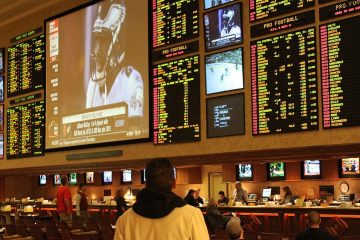

Sports betting can be fun and profitable when approached with structure. Beginners and even experienced bettors often benefit from using simple betting systems. These systems provide a framework for placing wagers, managing risk, and making consistent decisions rather than relying on luck or instinct.
This guide explores practical, easy-to-use sports betting systems that you can start trying today to improve your betting results.

1. Flat Betting System
How It Works
-
Bet the same amount on every wager, regardless of odds or previous results.
-
Example: If your bankroll is $500, you might bet $10 per game consistently.
Why It Works
-
Minimizes risk of large losses from impulsive decisions.
-
Easy to follow and perfect for beginners.
-
Focuses on disciplined, consistent betting rather than chasing quick wins.
Tips for Flat Betting
-
Stick to one sport or market for better predictability.
-
Track all bets in a journal to review performance.
2. Percentage of Bankroll System
How It Works
-
Wager a fixed percentage of your total bankroll on each bet.
-
Example: Betting 2% of a $500 bankroll means $10 per bet. If your bankroll grows to $600, your next bet is $12.
Why It Works
-
Automatically adjusts your stake to your current bankroll.
-
Reduces risk during losing streaks and maximizes profits during winning streaks.
Tips for Percentage Betting
-
Use a small percentage (1–5%) to avoid big swings.
-
Combine with research and value bets for best results.
3. Martingale System (Cautious Use)
How It Works
-
Increase your stake after a loss, returning to the original stake after a win.
-
Example: Bet $10 and lose → next bet $20, lose → next bet $40, win → return to $10.
Why It Works
-
Designed to recover losses and achieve a small profit after a win.
Caution
-
Can be risky during long losing streaks; requires a large bankroll.
-
Best used with small bets and low odds, or as a learning tool for beginners.
4. Kelly Criterion
How It Works
-
Bet a fraction of your bankroll based on your perceived edge and the odds.
-
Formula: Fraction to bet = (Edge / Odds) × Bankroll
-
Edge is the difference between your estimated probability and the bookmaker’s implied probability.
Why It Works
-
Maximizes long-term growth while minimizing risk of ruin.
-
Encourages betting only when you have a real advantage.
Tips for Kelly Criterion
-
Accurate probability estimation is essential.
-
Start with a fractional Kelly (e.g., half of the calculated stake) for safer practice.
5. Betting on Underdogs Strategically
How It Works
-
Focus on underdogs with realistic chances of winning.
-
Often offers high-value odds compared to favorites.
Why It Works
-
Can deliver better payouts over time when combined with research.
-
Useful for bettors looking for long-term profitability rather than short-term wins.
Tips for Underdog Betting
-
Research team form, injuries, and historical trends.
-
Avoid underdogs with minimal chance—focus on situations where the probability is underestimated by the market.
6. The 1-3-2-6 System
How It Works
-
A progressive staking system is used to capitalize on winning streaks.
-
Bet units in sequence: 1, 3, 2, 6. Reset to 1 after a loss.
Why It Works
-
Maximizes gains during winning streaks while limiting losses.
-
Simple to follow and doesn’t require complex calculations.
Tips for 1-3-2-6
-
Best for bets with near 50/50 chance outcomes, like totals or even-money markets.
-
Track your sequence carefully to avoid mistakes.
Practical Tips for Using Betting Systems
-
Stick to Your System: Avoid changing strategies midway. Discipline is key.
-
Combine with Research: Systems guide stakes, but analysis improves results.
-
Start Small: Test a system with a small bankroll before committing larger funds.
-
Track Everything: Keep a record of stakes, odds, and outcomes to evaluate effectiveness.
-
Adjust for Risk Tolerance: Some systems are aggressive; choose what fits your comfort level.
Conclusion
Simple sports betting systems offer beginners and casual bettors a structured approach to wagering. Whether you choose flat betting, percentage of bankroll, Martingale, Kelly Criterion, underdog strategies, or the 1-3-2-6 system, the goal is to make consistent, informed bets while managing risk.
Using a betting system doesn’t guarantee every bet will win, but it provides discipline, helps control losses, and can improve long-term profitability. Start small, stay disciplined, and combine your chosen system with proper research to make sports betting both smarter and more enjoyable.