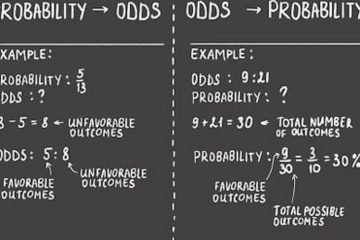

In sports betting, understanding the odds is essential, but many beginners overlook one of the most powerful concepts: implied probability. Implied probability translates betting odds into a percentage that represents the likelihood of an event happening. By learning how to read and use implied probability, you can spot value bets, compare odds between bookmakers, and make smarter betting decisions. This article explains implied probability in simple words, shows how to calculate it, and demonstrates why it matters for every bettor.

What Is Implied Probability?
Implied probability is a way of converting betting odds into a percentage chance of an outcome occurring. Instead of just looking at odds like 2.50 or +150, implied probability tells you how likely the bookmaker thinks an outcome is.
For example:
-
Decimal odds of 2.00 → 50% implied probability
-
Decimal odds of 3.00 → 33.3% implied probability
It essentially answers the question: “According to these odds, how likely is this event to happen?”
Understanding this concept allows bettors to measure whether a bet is fairly priced and whether there is value.
Why Implied Probability Matters
Implied probability is not just a number—it’s a decision-making tool for bettors. Here’s why it matters:
Spot Value Bets
Value occurs when the true probability of an event is higher than the implied probability of the odds.
-
If decimal odds of 3.00 (33.3% chance) are offered on a team you believe has a 50% chance to win, that bet has value.
Compare Odds Between Bookmakers
Different bookmakers may offer slightly different odds for the same event. Implied probability helps you compare them in percentage terms, so you can pick the best value.
Understand Risk
By seeing how the odds translate into probability, you can assess how risky a bet is. Higher odds mean lower probability, and vice versa.
How to Calculate Implied Probability
The calculation depends on the odds format. Let’s look at the main three:
Decimal Odds
Formula:
Implied Probability (%)=1Decimal Odds×100\text{Implied Probability (\%)} = \frac{1}{\text{Decimal Odds}} \times 100
Example:
Decimal odds = 2.50
Implied probability = (1 ÷ 2.50) × 100 = 40%
This means the bookmaker believes there is a 40% chance of this outcome.
Fractional Odds
Formula:
Implied Probability (%)=DenominatorNumerator + Denominator×100\text{Implied Probability (\%)} = \frac{\text{Denominator}}{\text{Numerator + Denominator}} \times 100
Example:
Fractional odds = 3/1
Implied probability = 1 ÷ (3 + 1) × 100 = 25%
This represents a 25% chance of the outcome happening.
American Odds
For positive odds (+):
Implied Probability (%)=100Odds+100×100\text{Implied Probability (\%)} = \frac{100}{\text{Odds} + 100} \times 100
Example: +200
Implied probability = 100 ÷ (200 + 100) × 100 = 33.3%
For negative odds (−):
Implied Probability (%)=OddsOdds+100×100\text{Implied Probability (\%)} = \frac{\text{Odds}}{\text{Odds} + 100} \times 100
Example: -150
Implied probability = 150 ÷ (150 + 100) × 100 = 60%
Understanding the Bookmaker Margin
Bookmakers rarely price odds to match the true probability perfectly. They add a margin (also called overround) to guarantee a profit. This means the total implied probability across all outcomes usually exceeds 100%.
Example:
A football match has two possible outcomes:
-
Team A: 1.80 decimal odds → 55.5% implied probability
-
Team B: 2.00 decimal odds → 50% implied probability
Total implied probability = 105.5% → the extra 5.5% is the bookmaker margin.
By knowing this, bettors can better assess the true value of the odds.
Using Implied Probability to Find Value
A value bet exists when the true chance of an outcome is higher than the implied probability of the odds.
Step-by-Step Example:
-
Decimal odds offered: 3.00 → implied probability = 33.3%
-
Your analysis shows the team has a 50% chance to win
-
Since 50% > 33.3%, this is a value bet
Consistently betting on value bets increases your long-term profit potential.
Common Mistakes Bettors Make With Implied Probability
-
Ignoring the bookmaker margin – total implied probability usually exceeds 100%
-
Confusing probability with guaranteed outcome – a 50% chance does not mean a bet will win half the time
-
Using emotion instead of analysis – always base your assessment on data
-
Failing to compare odds – different bookmakers may offer better implied probabilities
-
Overlooking small edges – even small differences can impact long-term profitability
Tips for Using Implied Probability Effectively
-
Always calculate implied probability before betting
-
Compare multiple bookmakers for the best value
-
Combine implied probability with research on teams, players, and form
-
Look for discrepancies between your calculated probability and bookmaker odds
-
Track results to see how your assessment matches real outcomes
By consistently applying implied probability, you turn guesswork into a structured, data-driven approach.
Conclusion
Implied probability is a key tool in betting that converts odds into a clear percentage chance of an outcome. Understanding it helps you spot value bets, manage risk, and make smarter decisions. By learning to calculate implied probability, considering bookmaker margins, and comparing odds, you gain a major edge over casual bettors who rely on luck or intuition. When used properly, implied probability becomes the foundation for long-term, successful sports betting.